


Welcome to our summer edition of Insight.
This edition reflects a theme we keep returning to in our work: that improving care rarely comes down to a single service, team, or intervention.
Durable change tends to happen when the right people work across boundaries: between services, across systems, or across teams that rarely work together.
The work in this edition spans automated referral pathways, mental health services for adults and children, women’s health, and eight years of partnership on tackling HIV. Across all of it, the question we have tried to answer is the same: what actually changes for patients and staff?
I hope these examples offer both inspiration and practical ideas for your own work.
2025/26 Annual Impact Report
Our 2025/26 Annual Impact Report is now live, showing 340+ projects, 90 clients and 45,000 hours (6,000 working days) returned to the system this year. Three highlights:
- Since April 2024, an automated Chronic Kidney Disease referral pathway at Royal Free London has processed 4,289 referrals, returning 2,144 staff hours (286 working days) to frontline teams and improving both patient safety and referral timeliness.
- Royal Free London’s blood cancer diagnostic service, England’s highest-volume provider against the 28-day Faster Diagnosis Standard, was falling short of the target. A TPHC demand and capacity analysis found five interventions that could release 111 hours of clinical time a week and protect around £183,000 a year in Elective Recovery Fund income.
- TPHC won the HSJ ‘Reducing Inequalities and Improving Outcomes for Children and Young People’ award in November 2025, for the North Central London Dental Transformation Programme delivered with NCL ICB and Whittington Health. The Mayor of London wrote to congratulate the team, calling it work that ‘set a new standard for what community-centred healthcare transformation can achieve’.
TPHC’s commitment to consulting excellence

Six more of our consultants achieve Chartered Management Consultant (ChMC) status this year, the highest professional accreditation for management consultants in the UK. They join a Senior Leadership Team who are all accredited, and a Senior Management Team who already hold, or are working towards, the same status. It’s one part of a wider commitment: as members of the Management Consultancies Association, TPHC publishes an annual declaration against fourteen Principles of Consulting Excellence, covering ethics, client service, diversity and sustainability alongside professional development.
Transforming adult ADHD pathways in London

Adult ADHD services across London face a problem that starts before anyone reaches a waiting list. In her latest blog, Assistant Director Alison Williams sets out how fragmentation at the NHS Right to Choose entry point is building inequity from the start, and how convening more than 75 pan-London commissioners, clinicians, and operational leads is driving a system-wide response.
Creating more connected mental health support for Children and Young People

The number of children and young people estimated to have a probable mental health disorder has risen from one in nine in 2017 to one in five in 2023. In April 2026, NHS organisations across Barnet, Camden, Enfield, Haringey and Islington launched a new Provider Collaborative to improve how community mental health services work together. Consultant Afroza Shamsudin explains how TPHC supported the arrangements to get it off the ground.
Read Afroza’s blog on children and young people’s mental health
Tackling inequalities in perinatal mental health

At maternity booking in North Central London, only 8% of Black African women were being flagged with perinatal mental health needs — against an expected prevalence of 27%. In a new blog published by the NHS Alliance, Senior Consultant Zoe Hooper writes about what North Central London’s local maternity and neonatal system did to start closing that gap, including work with the Lavender Team in Tottenham and what applying an anti-racism lens to quality improvement actually requires in practice.

Why fibroid care keeps failing, and how the NHS can respond
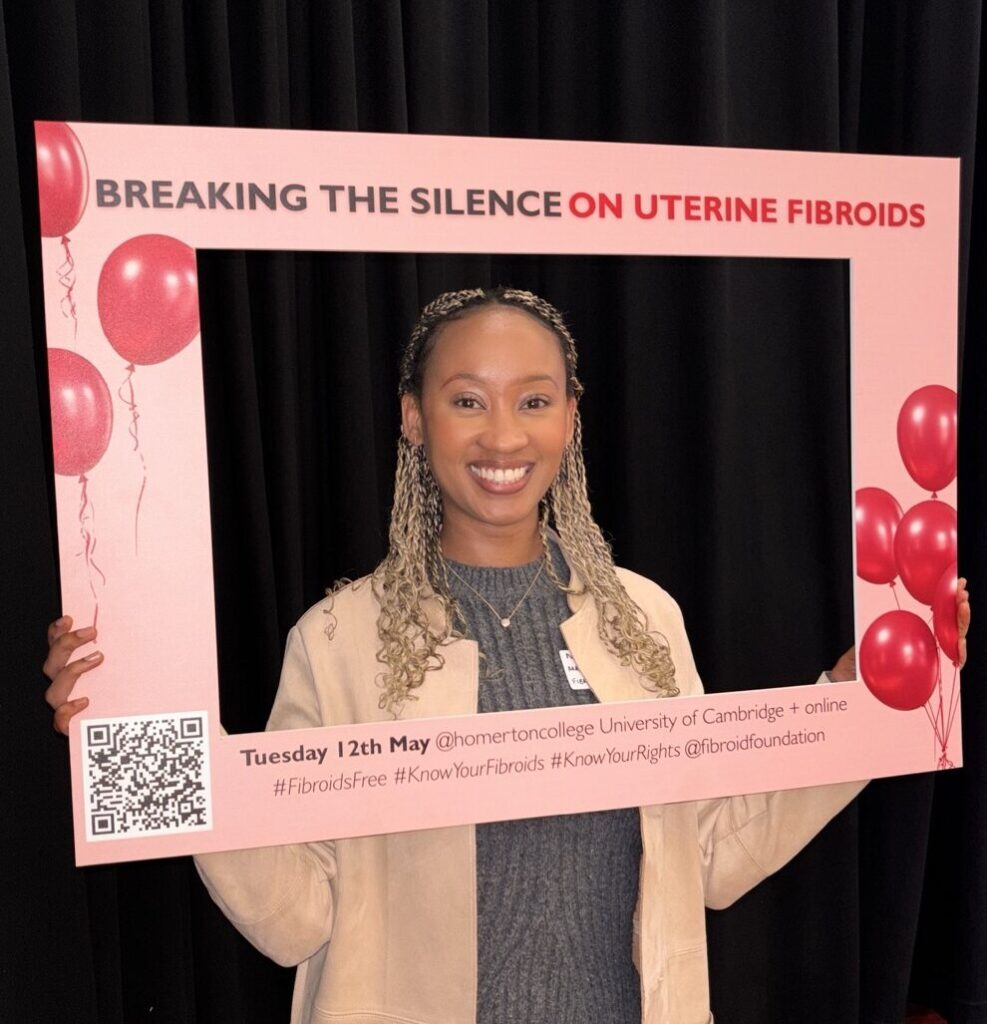
Fibroids affect up to 80% of women by the age of 50, with rates disproportionately higher among Black women, yet there is still no NICE guideline for how the NHS should manage them. In her latest blog, Junior Management Consultant Natasha Wainaina examines why training in women’s health has roughly halved in recent years, and what it would take to embed fibroid care into the hospital-to-community, analogue-to-digital and treatment-to-prevention shifts already underway across the NHS.
Moving more for better mental health

99% of NHS Talking Therapies staff say physical activity is important to their service users, but only 17% are satisfied with the support currently available. In her latest blog, Senior Consultant Emily explores how TPHC is working with Sport England to help three NHS Talking Therapies services integrate movement into routine practice, building on a three-year pilot in Camden and Islington and Buckinghamshire.
Why mental wellbeing belongs at the centre of HIV care

In-clinic peer support workers are changing how people living with HIV access mental health support, moving from a referral-based model to one that is available at the point of care. Our latest blog explores what this shift means in practice.
The power of partnership: 8 years of Fast Track Cities London
In the latest Fast Track Cities London: Getting to Zero podcast, co-chairs Prof. Kevin Fenton CBE and Prof. Jane Anderson reflect on eight years of city-wide HIV collaboration: what has driven real progress, where the approach has had to change, and what London’s partnership model means for delivering on the national HIV action plan published in December 2025.
The importance and impact of staff-led networks at TPHC
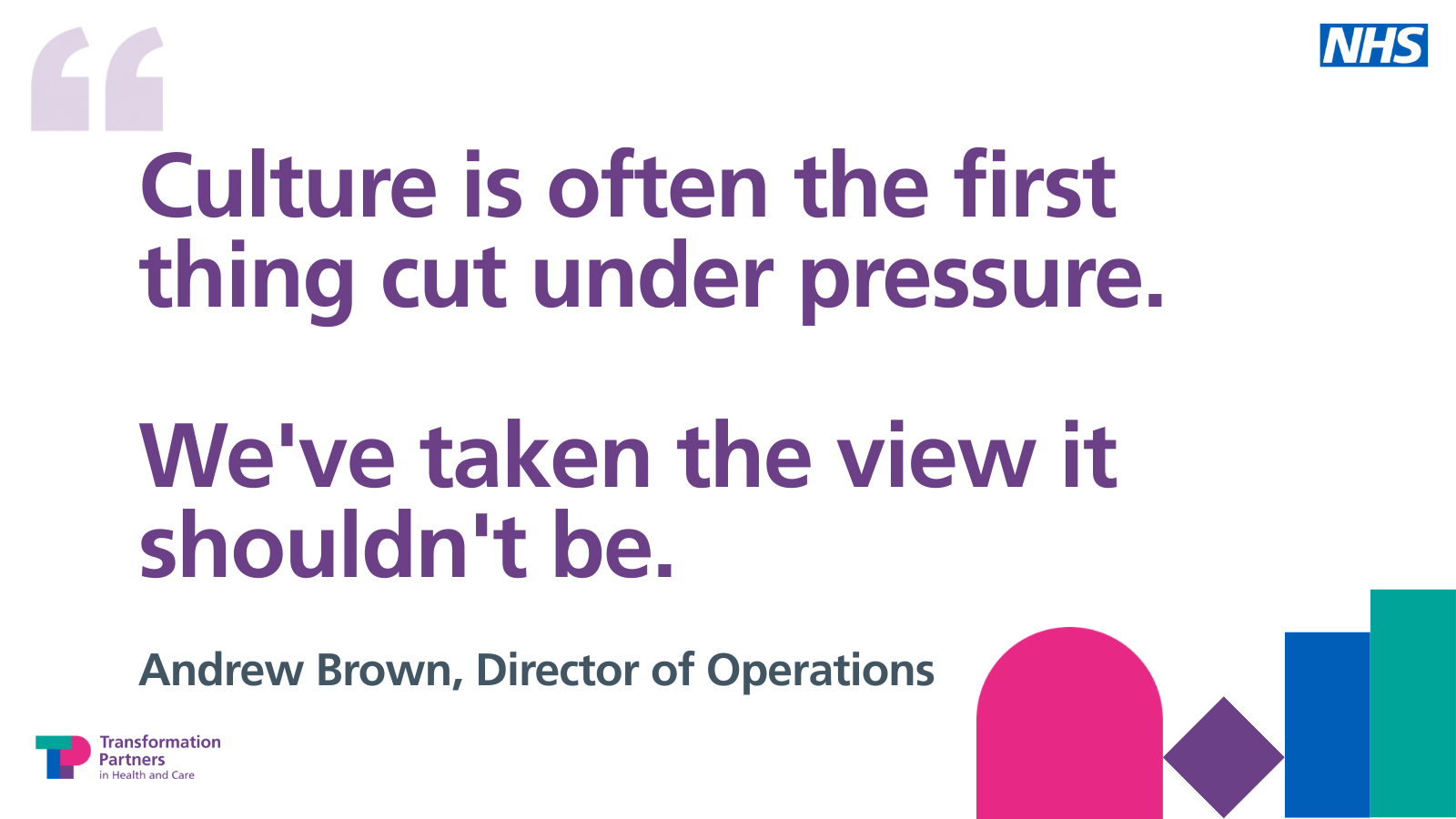
Culture is often the first thing cut under pressure. In this blog, Director of Operations Andrew Brown reflects on why TPHC has taken the view that it shouldn’t be, and what TPHC’s staff-led networks have actually produced over the past year, from a public anti-racism statement to a Neurodiversity Toolkit now adapted for external training. He also makes the case for why this work matters beyond the organisation itself.
Connect with us online
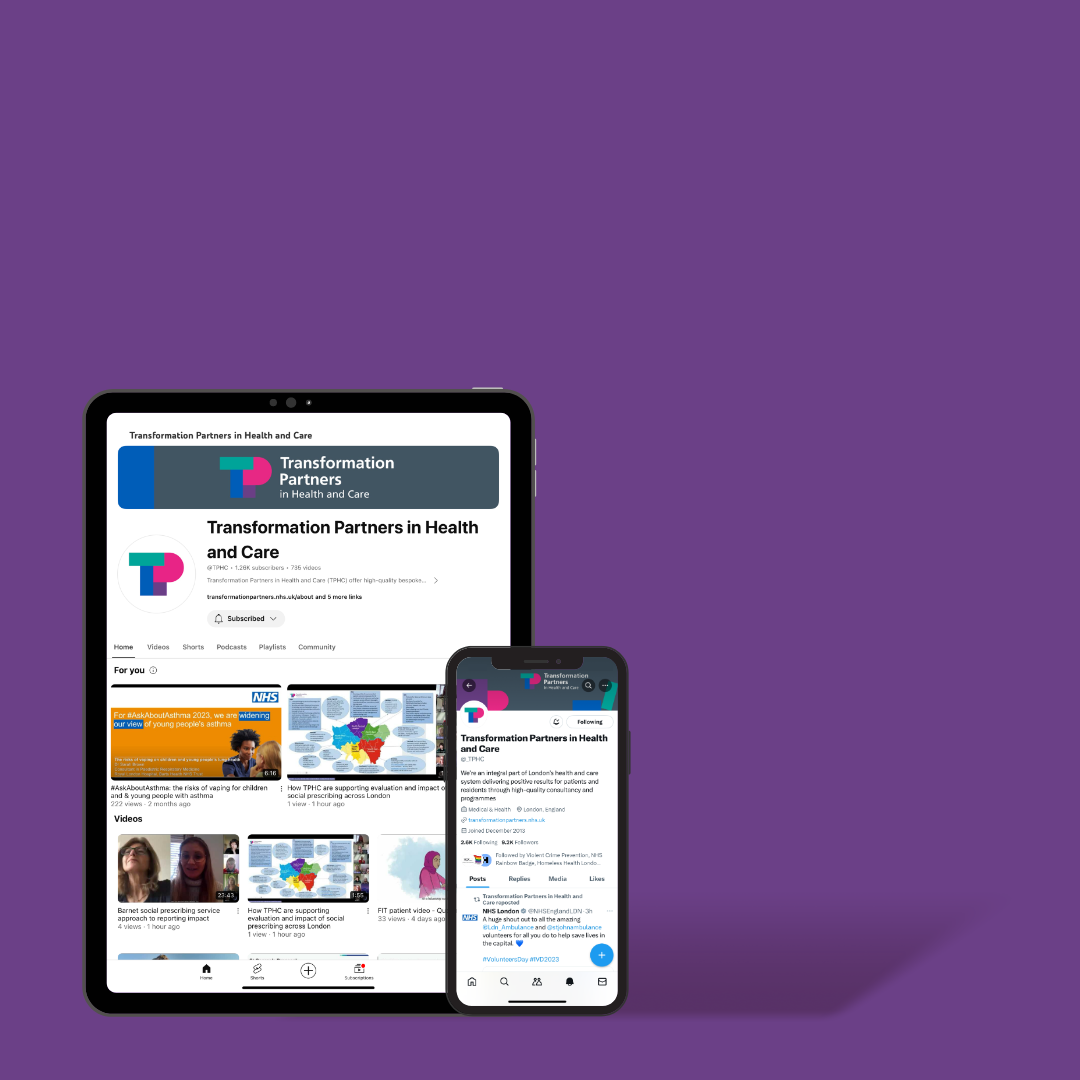
You can keep up to date with our news as it happens on our website and social media, follow us here:
Get Insight in your email mailbox
You can sign up to receive this update in an email format each quarter. Visit our Insight page to subscribe.