
At Fast-Track Cities London, we know that physical health and mental wellbeing go hand in hand. That the fear, stigma and isolation associated with HIV can have a negative impact on accessing testing, coping with a diagnosis and staying in touch with healthcare. That’s why our work goes beyond prevention and treatment alone – they aim to specifically address these unmet needs.
The Getting to Zero Programme’s in-clinic peer support workers provide an essential first step out of isolation. They share their own experiences and link to mental health support and courses for the newly diagnosed and those experiencing challenges.
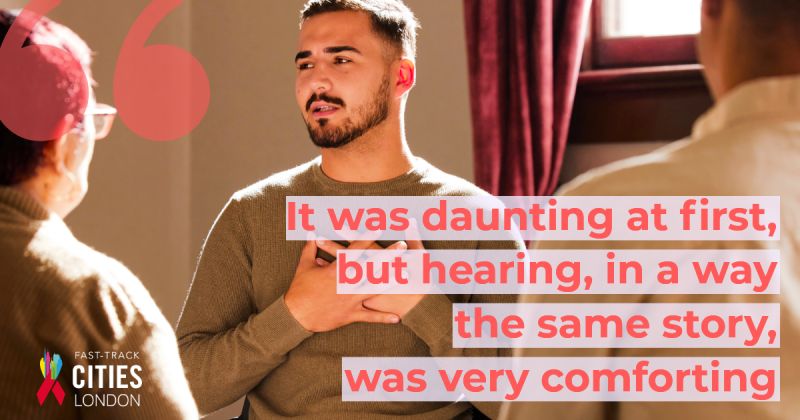
Our new stigma collaborative will help people who are isolated and fearful about their HIV status and bring them into communities that share their experiences and understand their needs.
Both these programmes will complement and strengthen our re-engagement in care programme, by addressing the complex needs of people who have dropped out of HIV care and treatment. And our HIV Confident Chart Mark will ensure that people feel confident in accessing appropriate support from organisations that provide essential services.
In its first three years, HIV Confident has had a significant impact on tackling HIV stigma across England with:
- 100+ organisations signed up across NHS Trusts, local authorities, third sector and corporates
- Over 20 organisations have achieved HIV Confident recognition
- 8,000+ individual responses to internal surveys and 10,000+ completions of eLearning modules
- Agreement that healthcare staff do not need to use extra precautions or different behaviour when caring for a patient living with HIV increased by about 70% after completing HIV Confident eLearning
We are helping create welcoming spaces and stigma-free conversations, improving outreach and support when and where people need it, and normalising HIV testing as part of everyday self-care. This Mental Health Awareness Week, as we reflect on the theme Every Action Counts, we recognise that every conversation, every act of support and every step towards reducing stigma can make a meaningful difference to the mental wellbeing of people living with HIV. We are committed to creating a city where people feel informed, supported, respected and able to truly live well with HIV. Learn more about this impactful work here: