
By Lisa Golding, Lead Consultant – Learning & Development
On Thursday 7th October, I attended the People First Conference, organised by Convenzis. It was a valuable opportunity to spend time with colleagues from across the NHS and learn from others who share the same belief that our people are our greatest asset.
The day provided a useful reminder that many of the workforce challenges we face are not unique to our organisations. Across the sessions, there was a consistent focus on creating cultures where people can thrive, whether through better leadership, more inclusive practices, smarter use of workforce data, or more meaningful employee experiences.
One of the keynote discussions explored the generational divide and how this can influence our assumptions, biases and approaches to recruitment, leadership and workforce planning. It challenged us to think beyond stereotypes and recognise the value that different generations bring to the workplace. As NHS organisations continue to attract and retain talent from increasingly diverse backgrounds, understanding and bridging these differences feels more important than ever.
The morning skills clinic focused on building sustainable, productive and future-ready workforce models within the NHS. Much of the discussion centred on balancing immediate operational pressures with longer-term workforce transformation. There was a strong emphasis on recruitment, retention, workforce flexibility and leadership capability, alongside the importance of using workforce data to inform decision-making. The session reinforced the need to view workforce planning as more than a staffing exercise, recognising it as a key enabler of service delivery and organisational sustainability.
A particularly thought-provoking session was Civility Saves Lives. Whilst the link between culture and performance is well recognised, the session brought into sharp focus the impact that everyday behaviours can have on staff wellbeing, teamwork and ultimately patient outcomes. The message was simple but powerful: small acts of incivility can have far-reaching consequences, particularly in environments where people are already working under significant pressure. Equally, small acts of kindness, respect and curiosity can strengthen relationships, psychological safety and team effectiveness. It was a timely reminder that culture is experienced through daily interactions rather than organisational values written on a wall.
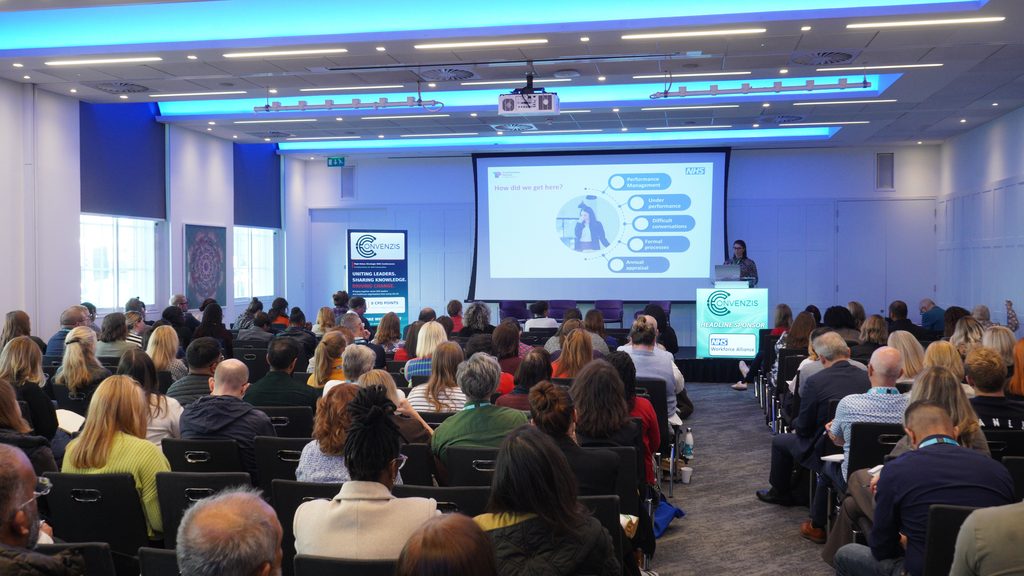
I felt privileged to have the opportunity to contribute to the conference by delivering a session on rethinking performance management, influenced by the work we have been doing on the Empowered Leadership programme.
My session explored how performance management has become a term often associated with formal processes or underperformance, when in reality it should be viewed as an everyday leadership responsibility. I shared how regular feedback, clear expectations and meaningful conversations can strengthen trust, improve performance and shape organisational culture. The discussion highlighted the role leaders play in creating cultures where feedback is habitual, balanced and focused on growth rather than judgement.
Reflecting on the day as a whole, the strongest message for me was that sustainable organisational performance is ultimately built through everyday leadership behaviours. Whether we are talking about workforce planning, employee experience, civility, inclusion or performance management, success relies on how people experience work on a daily basis. The conference reinforced my ‘north star’ as a leader about the importance of creating environments where people feel valued, supported and able to do their best work, not only because it improves organisational outcomes, but because it is the right thing to do for our people and the patients we serve.
If you are interested in learning more about performance management, then please do get in touch: rf-tr.tphc-communication@nhs.net