Digital Productivity
TPHC’s Digital Productivity team helps NHS organisations shift the burden of repetitive, high-volume administrative work from people to automated digital processes, freeing clinical and operational staff to focus on the work that matters most.
The team operates across two complementary models. The Digital Productivity Platform (DPP) offers NHS organisations access to a growing library of ready-to-deploy automation processes on a consumption-based model, a first for the NHS that removes the need for significant upfront investment and makes automation viable for organisations of any size or digital maturity. Alongside the platform, a professional services offer supports bespoke digital delivery, from design and governance through to implementation and evaluation, for organisations with more complex or tailored requirements.
Both are built around the realities of NHS environments: governance-compliant, clinically safe, and designed to work within existing systems rather than around them.
Scaling automation across the NHS
Automation in the NHS struggles to scale due to high upfront investment required and short-term budgets. Legacy systems, fragmented procurement, and hidden workflow redesign costs all hinder adoption.
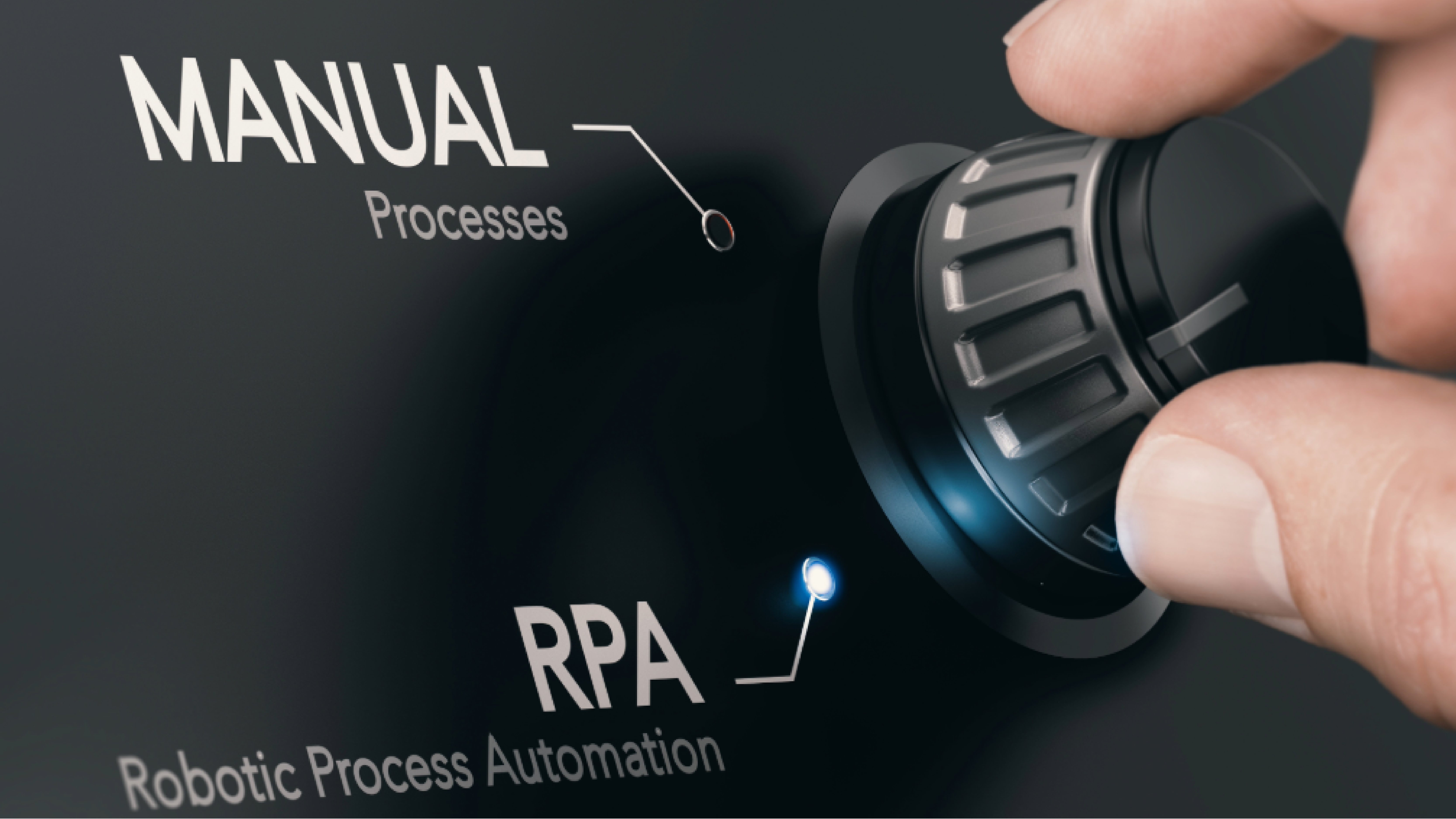
TPHC’s Digital Productivity Platform (DPP) addresses this by offering a pay-as-you-go model for digital tools such as intelligent automation. This is a first for the NHS, enabling organisations of any size, financial status, or digital maturity to access automation without significant upfront investment.
What we did
TPHC designed, built, and scaled a multi-organisation automation platform, establishing governance pathways, onboarding frameworks, and a flexible commercial model aligned to NHS requirements.
Savings for NHS organisations
Lewisham and Greenwich NHS Trust (LGT) became the first NHS organisation to go live on the DPP in April 2025, redeploying six existing HR automations. During 2025/26, the platform delivered 69,000 minutes (1,150 hours) of automated HR activity across recruitment, rostering, compliance, and employee lifecycle processes, releasing 0.8 WTE.
Expansion at LGT was rapid in 2025/26 as the DPP’s value was demonstrated. Having started in HR, it was being used in outpatients, finance, cancer services, information systems and data, electronic patient record migration, and pharmacy by the end of the year.
Improving staff experience
Automation at LGT removed repetitive manual activity, freeing up staff to focus on higher-value activities.
Opportunities for the future
The DPP has replicable frameworks that simplify and accelerate adoption, supporting the analogue to digital shift for NHS organisations. It can work with multiple platforms, and the team is expert in assisting organisations to implement effectively.
Client feedback
“The trust has grown significantly whilst our ESR and recruitment teams have remained relatively lean but have ensured we continue to deliver excellent services with minimal errors or complaints thanks to the automation and time saved through the DPP.” LGT’s Deputy Chief People Officer.
“Automating repetitive tasks has improved efficiency and consistency, reduced manual error, and freed up capacity to focus on higher-priority recruitment activity. We’ve been able to be more responsive with hiring managers, which has improved engagement and reduced delays in communication.”
LGT’s Head of Recruitment.
Freeing up capacity: automating CKD referrals across North Central London
Chronic kidney disease (CKD) is a long-term condition affecting around one in ten people. There is no cure for CKD, but early diagnosis and treatment can help to relieve symptoms and prevent further deterioration. Left untreated, advanced CKD (stage 5) can require dialysis or a kidney transplant.
North Central London’s CKD service receives between 50 and 70 referrals each week. Before automation, each required around 30 minutes of manual processing: registration onto the EMIS clinical system, triage preparation, and outcome letter creation. Beyond the resource cost, the manual process carried clinical risk: transcription errors, registration delays, and reduced clinician access to records at the point of triage.
What we did
TPHC’s Digital Productivity team worked with the service to design and deploy an automated referral workflow, integrating NHS e-Referral Service with EMIS to manage the full CKD referral pathway, from referral collection and registration, through to triage, outcome letters, and discharge. The automation also enables clinical teams to access patients’ primary care records securely via EMIS during triage. The team led the governance work required to operate safely at scale: a Data Protection Impact Assessment and compliance with the DCB0160 clinical safety standard were both completed before go-live. The automation has run continuously since April 2024.
Better for patients
Automating registration and enabling EMIS access to primary care records during triage supports more accurate, evidence-based clinical decisions. Patients receive a faster, more consistent referral pathway with less risk of delays or errors from manual handling.
Better for staff
Between go-live in April 2024 and the end of March 2026, the automation has processed 4,289 CKD referrals end-to-end, at 30 minutes saved per referral. This represents 2,144 hours (286 working days) returned to the CKD team over two years. Administrative staff are freed from manual processing, creating capacity for work that requires clinical judgement.
Better for the system
Having met the DCB0160 standard and completed a full DPIA, the model demonstrates that clinically safe, governance-approved automation can operate reliably at scale. Well-documented and transferable, it offers a way forward for other specialities considering comparable automation.
Client feedback
“The TPHC Digital Productivity team worked closely with us to design and deliver this innovative solution to support interoperability between two clinical systems, facilitating a comprehensive triage process at scale across north central London. Simultaneously, it has reduced the manual burden on administrative teams, freeing them up to deliver essential workload. It has been a pleasure to work with the TPHC team, who have been collaborative and responsive throughout the project.”
Sarah Milne, Clinical Lead for Chronic Kidney Disease, Royal Free London NHS Foundation Trust.
Automating shared services: saving 21 WTE and £450,000 a year

North London Partners Shared Services (NLPSS) is a partnership of seven NHS Trusts delivering NHS corporate services at scale. NLPSS faced a growing imbalance between demand and capacity in shared workforce services, where high-volume, manual processes in recruitment, employment services and medical workforce teams were becoming increasingly difficult to sustain. These pressures drove higher operational costs, increased reliance on staff, and caused delays to critical workforce activities.
What we did
We worked in partnership with NLPSS to design, build and scale a managed Robotic Process Automation (RPA) and digital productivity service embedded in live workforce operations. This evolved into a scaled productivity service, combining automation with process standardisation, governance, and user-centred tools.
We rolled out 147 live automations across three services with digital workflow and dashboard reporting tools, service desk support (over 300 tickets addressed annually), and performance management against agreed service level agreements and key performance indicators.
Better for the system
Automation reduced processing costs by around 50% compared to manual activity, with up to 90% cost reductions achieved in the most optimised processes. Unit costs were reduced from £31 per hour to £17 per hour, delivering a £14 per hour saving. Annual savings reached approximately £450,000 while enabling services to absorb increasing demand without additional workforce growth.
The programme released 21 whole-time equivalents of capacity annually. Performance and quality improved alongside financial savings: technical processing errors fell by 49.5%, well below the industry benchmark of 5% for mature automation platforms, and cases requiring manual escalation due to business rules fell by 15%.
Better for staff
Operational users experienced a positive impact on their day-to-day working, including reduced complexity, improved usability and better frontline experience. Automation has removed a significant proportion of repetitive, manual administrative activity, releasing capacity for staff to focus on higher-value activities such as data quality, training and service improvement.
Staff feedback highlights the practical impact
“It is fantastic to see technology used to make our work easier.”
“I extended a fixed-term contract today, and the process couldn’t have been easier.”
Better for inclusion
By removing repetitive manual processing, much of which sits with lower-banded roles, the programme has released capacity for those staff to focus on higher-value work and eased workload pressures that fall unevenly across teams. Standardised automated workflows also mean recruitment and employment cases are handled consistently regardless of which team processes them, reducing variation in outcomes and increasing transparency, supporting fairer outcomes.
Curious to see how we can make a difference?
Interested in hearing more about how we have helped tackle health inequalities? Find out more about our Digital Productivity work or contact us for an informal chat.
email us at:rf-tr.tphc-communication@nhs.net