
Commissioning NCL’s first tirzepatide weight management pathway, achieving statutory compliance and equitable access for high-risk patients
| Outcomes at a glance |
|---|
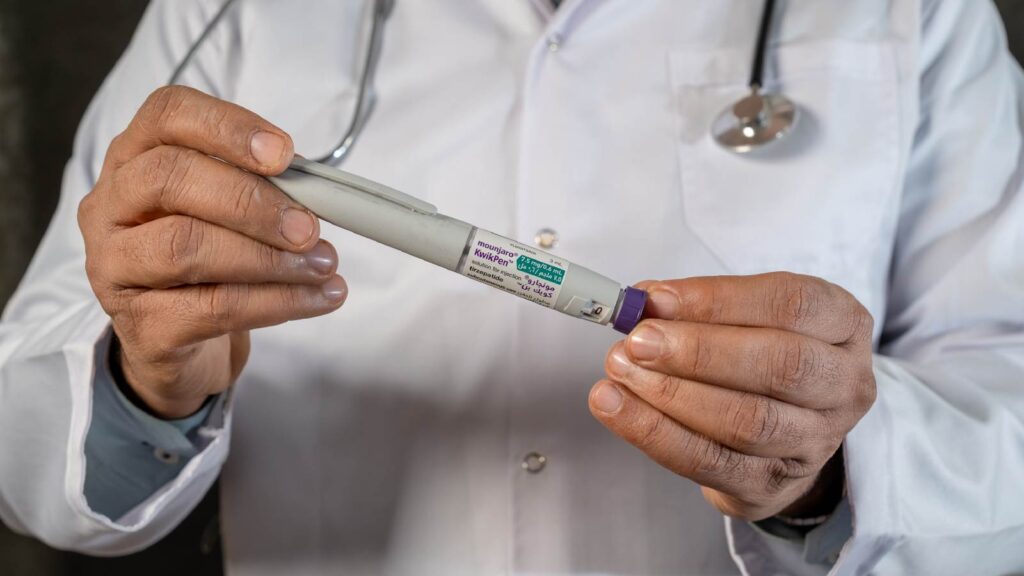
| • New weight management pathway commissioned and mobilised, making tirzepatide available in North Central London for the first time, including for patients who previously could only access it privately |
| • Business case signed off by the ICB’s Financial Recovery and Investment Board, bringing the organisation into compliance with national commissioning requirements |
| • Clinical model and service specifications endorsed by the ICB’s Clinical Advisory Group, ensuring clinical safety and appropriateness of the pathway |
| • Equality and quality impact assessments approved, with specific mitigations for people with learning disabilities, and communities at higher risk of health inequalities |
The challenge
Around 64% of adults in the UK are overweight or living with obesity. New treatments for weight loss, including tirzepatide (Mounjaro), have created significant demand, but rollout across the country has been slow, and the medication remains unavailable in many areas. More than nine in ten people currently using these treatments are paying privately, creating a two-tier system that risks exacerbating existing health inequalities.
Under NICE Technology Appraisal 1026, integrated care boards were required to make tirzepatide available in specialist weight management services by March 2025 and in primary care by June 2025. North Central London (NCL) ICB had variable provision of weight management pathways, was not meeting its statutory responsibilities, and was receiving significant numbers of complaints and FOI requests as a result.
The scale of what is at stake for patients is considerable. Three-year results from the SURMOUNT-1 study, published in the New England Journal of Medicine, showed that continued treatment with tirzepatide in people with obesity and prediabetes resulted in sustained weight loss of up to 19.7% and a markedly lower risk of progressing to Type 2 diabetes. For an ICB that was not yet offering the treatment, the gap between what was clinically possible and what patients could access on the NHS was significant.
Our approach
TPHC supported NCL ICB to design and commission new weight management pathways, making medication for weight loss available in NCL for the first time while ensuring an equitable approach that addressed existing health inequalities.
We set up programme governance and reporting arrangements, then mapped existing service provision to identify gaps across the system. Working with clinical and commissioning leads, we co-designed new pathways and developed a full options appraisal of potential delivery models. This analysis underpinned a business case for investing the ICB’s tirzepatide allocation, which was submitted to and approved by the ICB’s Financial Recovery and Investment Board.
We developed three service specifications, which included agreed patient prioritisation criteria informed by NHS England’s CORE20PLUS5 approach to reducing healthcare inequalities and by clinical assessment tools. Alongside this, we developed equality and quality impact assessments for the new pathway, which were endorsed by the ICB’s Equality Impact Assessment panel.
We worked with the ICB’s contracting and procurement teams to identify an appropriate procurement and contracting route, drawing on independent legal advice to modify contracts and commission the new pathway. Our support continued through mobilisation, working directly with NCL Tier 4 service providers to implement the pathway effectively and at pace.
The impact
NCL patients with the greatest clinical need for tirzepatide now have access to the medication for the first time. The pathway is designed to reach groups at higher risk of health inequalities, including people with learning disabilities, people from diverse communities, and those with lower levels of health literacy, so that access is equitable rather than defaulting to those easiest to reach.
The programme brought NCL ICB into compliance with its statutory responsibilities under NICE TA1026 and protected the organisation from further reputational risk. For an ICB that was fielding significant complaints and FOI requests, this removes a source of sustained operational and reputational pressure.
The service is expected to have a positive impact on weight loss, wellbeing, and quality of life for patients receiving tirzepatide.
What our clients say
“I would strongly recommend TPHC to any colleagues across the NHS. They have been invaluable in supporting our programme of work and would use them again for any additional support that is needed.”
Hannah Logan, Public Health Consultant, NCL ICB
Ready to start a conversation? Find out more about our service and pathway development consulting services, read more case studies from our work in service and pathway development, or get in touch with one of our specialists to discuss your challenges.
Next steps

Service and pathway development case studies
More case studies from our service and pathway development work.

Working with us
Our approach to working with clients, and what you can expect from a relationship with TPHC.

Contact us
Get in touch with our team to discuss your requirements and how we can support you to achieve your goals.